
A Kick In The Back Over Kickbacks; The New Jolta Media
A former exec sues WPP over an alleged retaliatory firing; Jolt acquires Volta Media from Shell; and AI defamation litigation is on the rise.

A former exec sues WPP over an alleged retaliatory firing; Jolt acquires Volta Media from Shell; and AI defamation litigation is on the rise.
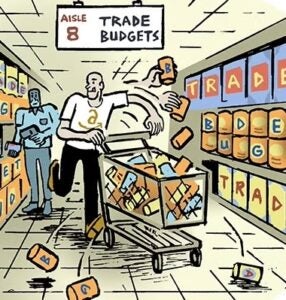
“We just constantly hear how complex it is right now,” Kelly MacLean, Amazon Ads VP of engineering, science and product, tells AdExchanger. “So that’s really where we we’ve anchored a lot on hearing their feedback, [and] figuring out how we can drive even more simplicity.”
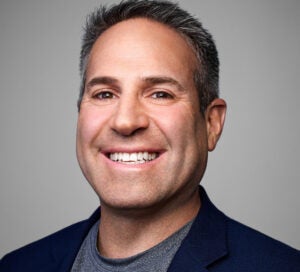
Jeff Cohen, Skai’s new chief business development officer, unpacks why the smartest retailers and brands are already connecting the data dots and rethinking their playbooks for the AI era, even though the shopping bots aren’t quite there yet.

On Monday, Amazon announced the launch of location-based interactive video ad units on Prime Video, which will allow small and local businesses to reach their target customer in specific geographic areas.
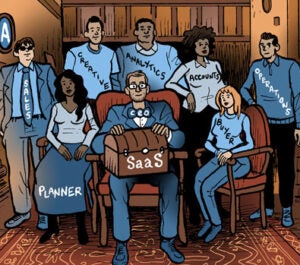
Meta is profiting from fraudulent ads; LLMs are taking advantage of SaaS pricing policies; and agencies aren’t going under… yet.
“You’ve got to really evaluate your [media] mix almost every day, but particularly when you’re on shelves and on Amazon,” AG1 CMO Paulie Dery, who joined in August 2024, told AdExchanger.

LiveRamp’s gift could make IAB Tech Lab’s AI consent model workable; Spotify hypes video podcast growth and nabs a bigger ad margin; and Coke launches another AI holiday ad campaign.

The IAB Tech Lab’s new device attestation feature for its Open Measurement SDK provides a scaled way for original device manufacturers to confirm that ad impressions are associated with real devices.
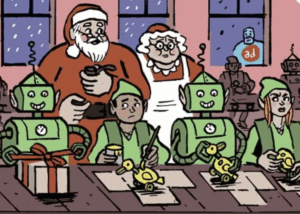
The Trade Desk is going after Amazon; Facebook creators are going after Meta; and everybody’s going after Warner Bros. Discovery.

Uber Advertising, in partnership with Adelaide and Kantar, launched a first-of-its-type custom attention metric score for its platform advertisers.

While Reddit had plenty to crow about on the advertising front, it was less sanguine about the rise of generative AI search, which CEO Steve Huffman said is “not a traffic driver today.”

AI agents have infiltrated retail media. At least, that’s how it felt to big Wall Street advertising and tech investors, who brought a sense of existential dread to Criteo’s quarterly earnings call on Wednesday.
Condé Nast doesn’t think advertising will save it; AWS strikes a blow against Google’s cloud service; and Paramount+ is going to have to pivot.

A new integration between Amazon and Clinch allows advertisers to access Amazon custom audiences via a third-party platform.

Reddit sues four companies for scraping and selling (and buying) its data; Unity Software’s new zero-fee product is good news for mobile developers; and brands aren’t thrilled by TikTok shop’s latest updates.
PayPal Ads is continuing its new product announcement whirlwind with news that it’s partnering with the commerce media startup Rokt to bring non-endemic advertisers to some PayPal and Venmo post-payment pages.
Wouldn’t it be great to enact standards rather than talk about them?; Amazon wants to go fully automated; and revenue doesn’t seem to drop like search traffic does.

As the pendulum swings hard toward 1:1 personalization, a critical question emerges: Just because we can personalize every interaction, does it mean we should?

Walmart’s AI shopping deal with ChatGPT might ding its retail media biz; the MRC shares updates on which platforms won and lost accreditation; and kids’ sports streaming is becoming a real media channel.

AdExchanger caught up Milani CMO Jeremy Lowenstein about how the beauty brand fits into mass-market retail, in contrast to DTC and social-based brands.
Apple TV is losing its plus; Agentic AI is ruining the ad tech equilibrium; and Google insists that search is still solid.

The fate of the open web will be decided on who controls the data that drives monetization and the AI that determines distribution. Google controls both, and proposed remedies to its ad tech monopoly do not address this imbalance.
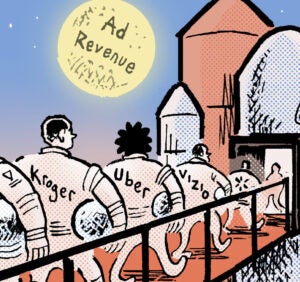
Retail media has broken through some critical threshold, and is no longer the straightforward digitalization of shopper marketing budgets.
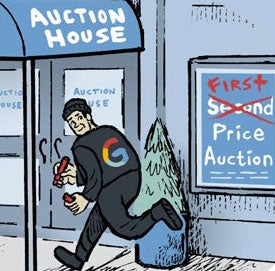
Ask advertisers, not Meta, how best to use Meta’s ad platform; holdcos and big brands are pressuring Big Tech to self-regulate; and how data-driven animal husbandry is impacting marketing.

ChatGPT and others continued the fragmentation of the search journey, which today hops between platforms and intents. The funnel no longer exists. Here’s how to pivot your brand’s SEO/GEO strategy.
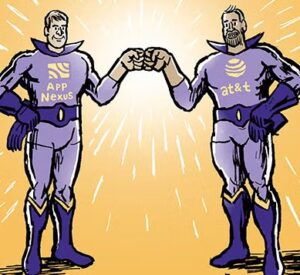
Judge Leonie Brinkema is ready to be done with the DOJ v. Google saga; Amazon DSP comes out on top; and Mozilla brings programmatic ads to to the Firefox browser.
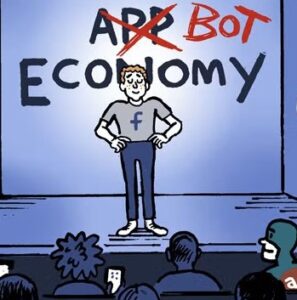
Mastercard launched an ad network; Meta plans to sell targeted ads based on engagement with its AI products; and the Washington Post is in trouble if Ad Chief Johanna Mayer-Jones departs.

Delivery apps are launching social networks now; Google is the latest Big Tech company to write a huge check to Trump; and ad agencies of all sizes apparently aren’t big enough.

Principal-based buying isn’t inherently bad. When incentives are aligned, clients get more precision and speed than traditional agency models often allow. The issue isn’t the mechanism; it’s the incentives.
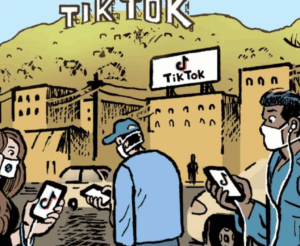
Marketing films is one battle after another; AI gets stymied by the cloud; and bots are causing brand backlash.

To those who knew him, John “JG” Gentry wasn’t just a CEO. He was a colleague who showed up with genuine care and curiosity.

The group that turned header bidding software into an open standard is bringing the same approach to publisher-side AI agents.

Meta is channeling its booming ad revenue into a $135 billion AI drive to power its “personal superintelligence” future.


Most publishers have no idea that a major part of their video ad delivery will stop working on April 30, shortly after Microsoft shuts down the Xandr DSP.

Ads were going to be a “last resort” for ChatGPT, OpenAI CEO Sam Altman promised two years ago. Now, they’re finally here. Omnicom Digital CEO Jonathan Nelson joins the AdExchanger editorial team to talk through what comes next.

This Wednesday marks the beginning of Hershey’s first major brand marketing campaign since 2018