
T-Mobile Acquires Vistar Media, A Leading OOH SSP, For $600 Million
On Monday, T-Mobile announced plans to acquire Vistar Media, an ad platform that specializes in digital out-of-home for roughly $600 million in cash.

On Monday, T-Mobile announced plans to acquire Vistar Media, an ad platform that specializes in digital out-of-home for roughly $600 million in cash.
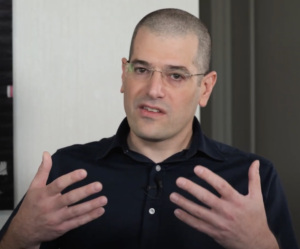
Tom Pachys, Co-founder and CEO of EX.CO, discusses the company’s new expanded ad server, and how it sets the offering sets them apart from other ad tech companies.
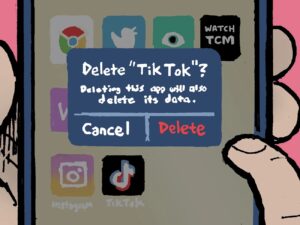
Nobody is acting like TikTok will actually be scrapped from American smartphones. Plus, Venu Sports got benched – for good.
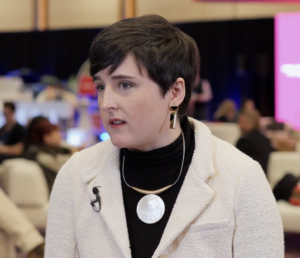
Helen Havlak, publisher at The Verge, chats with AdExchanger at CES about how publishers should pivot in response to the dropoff in traffic from Google search.

Three years after launching its own data clean room, Roku is trying to bring something new to the table. On Monday, the company announced the launch of a new offering, the Roku Data Cloud, which allows marketers access to more granular streaming TV data via ad tech and agency API partners.

As the new year begins, expect CTV growth to continue blasting along with a vengeance. Experts are “bullish” on the channel and believe that many of 2024’s biggest CTV trends will continue well into 2025.

Dealmaking and AI (and blackjack) are top of mind for those heading to CES. Plus, don’t expect brands to reengage with hard news in 2025.
For all intents and purposes, 2024 is already over. Which means now is a fine time to see how far CTV advertising has come by looking back at some of this year’s most-read stories on AdExchanger.
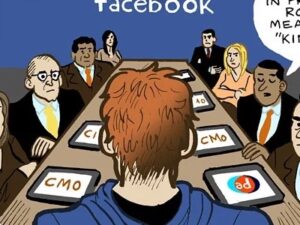
Publisher C-suite drama has been making headlines recently. Plus, there are now 27 different active lawsuits against various AI content generation companies.

In response to shifting ad industry trends, A360 Media abandoned its made-for-advertising model four years ago and streamlined its site design to court programmatic demand.

The in-game advertising market’s stagnation is both unsurprising and frustrating. The onus is on the gaming industry to make gaming an essential channel for advertisers, rather than a nice-to-have.
A class-action lawsuit takes Office Depot to task for deceptive pricing and ads; YouTube is taking over TV, but brands may be missing out; and advertisers weigh in on which marketing trends are worth the hype.

The advertising industry is abuzz with the potential of shoppable television. But the concept of buying something directly from your television isn’t new; it began back in the ’80s with channels like QVC and HSN.

Antitrust regulation has counterintuitively favored the biggest ad industry players. Plus, another streaming service, anyone?

Publishers expect the agencies will eliminate tech redundancies as they consolidate, which could compel pubs to shed redundant tech themselves. The merger could also entrench principal-based buying, which may not be a bad thing.

Ad industry growth will slow to single-digits next year; consolidation hits the CPG market; and predicting the future of the FTC based on a commissioner’s pitch to the president-elect.

What happens if the TikTok ban comes to pass; Netflix’s live sports Hail Mary play; and Channel Factory surfs for buyers.

True crime podcasts are incredibly popular with listeners. But they’re a hard sell with advertisers. So Sony Music Entertainment is turning to sentiment analysis to address buyer concerns.

IPG buying Node continues the trend of agencies trying new business models; IPG and Publicis support principal-based buying while WPP opposes it; and billionaire owners believe controlling their newsrooms will win back public trust.

This year, Black Friday stretched on for days and days. And the retail holidays is evolving in other ways, as online shopping takes over.

Dave Strauss, VP of revenue operations and strategy for North America, spoke with AdExchanger about The Guardian’s PMP priorities and how it’s tapping into other emerging revenue streams.
While tech companies are jumping on the curation bandwagon, publishers are left to navigate a new normal in programmatic advertising, where they often don’t have a say.

Despite CEO Jeff Green’s denials, the rumors turned out to be true: The Trade Desk has spent the last three years quietly building its streaming OS, called Ventura, to compete with the likes of Roku, Amazon’s Fire TV and Google’s Android.

Forrester released its first SSP wave since 2014 last week, and there’s a surprise. The research firm ranked Google – whose sell-side ad tech platform is facing federal antitrust charges – as a mere challenger.

Solutions that fundamentally address the issues curation attempts to solve already exist. The problem is that none of these solutions have been adopted by the buy side.

The New York Times is investing in generative AI for the same reason it’s been investing in first-party data for years. It wants to be self-sufficient.

Perplexity AI, the generative AI search engine trying to out-Google Google, began rolling out its ads products last week. Plus, An AI-powered shoppable ad platform is causing problems for readers of BuzzFeed Australia.

Political ad strategies evolved quickly this year, as campaigns moved beyond exclusivity, focusing on flexibility and reach. Here’s what this cycle taught us and how it will guide our business in the medium term.

Why the agency pivot to alternative payment models is good for M&A; Zeta Global responds to a short-seller’s explosive claims; and X sees a mass exodus after the election.

During its earnings call on Thursday morning, Disney announced plans to bring ESPN+ content to Disney+ starting on December 4,

To those who knew him, John “JG” Gentry wasn’t just a CEO. He was a colleague who showed up with genuine care and curiosity.

The group that turned header bidding software into an open standard is bringing the same approach to publisher-side AI agents.

Meta is channeling its booming ad revenue into a $135 billion AI drive to power its “personal superintelligence” future.


Most publishers have no idea that a major part of their video ad delivery will stop working on April 30, shortly after Microsoft shuts down the Xandr DSP.
Ads were going to be a “last resort” for ChatGPT, OpenAI CEO Sam Altman promised two years ago. Now, they’re finally here. Omnicom Digital CEO Jonathan Nelson joins the AdExchanger editorial team to talk through what comes next.

This Wednesday marks the beginning of Hershey’s first major brand marketing campaign since 2018