
When Performance Brands Invade TV; Subscription Conniptions
Big TV’s shift to programmatic brings in the performance brands; Meta rolls out premium subscriptions for Instagram, Facebook and WhatsApp; and Yahoo enters the crowded AI search market.

Big TV’s shift to programmatic brings in the performance brands; Meta rolls out premium subscriptions for Instagram, Facebook and WhatsApp; and Yahoo enters the crowded AI search market.

The advertising industry is abuzz with the potential of shoppable television. But the concept of buying something directly from your television isn’t new; it began back in the ’80s with channels like QVC and HSN.
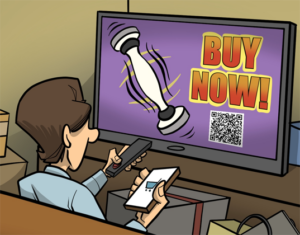
Enjoy this weekly comic strip from AdExchanger.com that highlights the digital advertising ecosystem …

On Wednesday, Roku became the latest streaming company to unveil a self-serve ad platform. Roku Ads Manager, as it’s called, is part of Roku’s bid to reach new CTV buyer demand.

Viewers – and ad buyers – are giving FAST channels a chance. Still, the FAST channel market has a long way to go, says Michael Scott, VP and head of ad sales & operations at Samsung Ads.

Shoppable TV ads may encourage sales, but they lack the measurement and performance benchmarks advertisers expect. Buyers must create their own benchmarks – and can only do so by actually testing these new ad units, including with their upfront budgets, says Mike Fisher, executive director of investment innovation at GroupM US.

What if the new storefront is a person sitting on their couch and scrolling their phone?

Amazon unveiled three new interactive ad units for Prime Video, all of which are shoppable, ahead of its TV upfront debut.

One side effect of signal loss? Media mix modeling is coming back in fashion. Google’s Meridian is the latest entrant in the MMM space, which is being embraced by large ad platforms and startups alike. Plus: Differentiating between shoppable TV and T-commerce.

Television commerce, or T-commerce, is similar to shoppable TV: both refer to buying something you see on television. But shoppable TV is far more nascent – and also has different implications on attribution.

If you’re using retail media or commerce marketing for the bottom of the funnel only, then you’re missing out on major opportunities.

Roku is making more space for brands on its home screen because it’s a good place to reach viewers with lower-funnel marketing messages.

CTV advertising is evolving from prepubescent into a profitable industry, so expect the nascent trends of last year – namely, a focus on measurement and data, transparency, targeting and programmatic – to shape CTV’s next phase of life.

The shift in ad spend from linear TV to CTV isn’t correlated to audience time spent. It’s because CTV offers entirely new possibilities to advertisers.

Roku announced two new ad formats to help brands get in front of both ad-free viewers in addition to people streaming with ads. The new formats are interactive, and will be shoppable where applicable later this year.

Startup Telly announced it’s giving away 500,000 smart TVs completely for free to the first 500,000 folks who sign up on its website. Signups for the TVs include an agreement that customer data can be used for targeted advertising.

Tying ad spend to conversions by making ads actionable is one sure way to measure ROAS more effectively. To that end, many brands are turning to solutions like shoppable TV ads.

NBTV is part of a growing trend of content studios producing long-form sponsored video for advertisers. Its channel Spirits Network works directly with brands on sponsored video content with shoppable ads that highlight specific spirits and liquor products on-screen and link directly to an ecommerce page and checkout option.

Connected TV marries a century-old piece of technology (television) with the capabilities of the internet. This presents an interesting challenge when we think about where CTV belongs in a marketing funnel, writes Andrew Mullins, director of programmatic at Realtime Agency.

Here’s today’s AdExchanger.com news round-up… Want it by email? Sign up here. As Far As The Eye Can CTV Connected TV feels like it has reached a critical threshold to become a major programmatic revenue driver. But it hasn’t. Industry consultant Mike Shields writes that an unnamed media exec recently threw cold water on CTV optimism. […]

Roku is bullish on shoppable video. The idea of television commerce isn’t new, of course. QVC, HSN and infomercials, anyone? But the technology exists today to breathe new life into the opportunity, says Peter Hamilton, Roku’s head of television commerce, on this week’s episode of AdExchanger Talks.

Television does drive sales lift, although the impact usually isn’t immediate. Broadcasters have been trying to change that for a long time. Until recently, however, the reality of shoppable TV has lagged far behind the idea. Publishers are busy exploring interactive TV ad formats, from QR codes to clickable overlays – but are advertisers buying in?