
Senior Editor
James covers the intersection of commerce, media and advertising technology.

James covers the intersection of commerce, media and advertising technology.

In the crosshairs this time: media sellers with masses of user-generated content, including movie and video review forums with unmoderated comment and discussion sections.
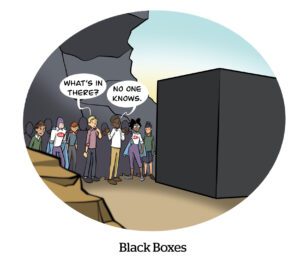
A major Google glitch caused unencrypted customer and product info to be shared between Google Merchant Center accounts for at least two weeks.

Amazon’s Advertising Services segment is delivering the dough. It generated $12.8 billion last quarter, up by a cool $2 billion year over year.

Q2 was relatively ho-um for Criteo. Its revenue ticked up by just 1%, although the company did move from a net loss of $2 million in the year-ago quarter to a $28 million profit.

In the past couple of weeks, many of the world’s biggest CPG and grocery store brands have reported their latest earnings. One thing is clear: CPG brands are under pressure by retailers to squeeze their margins, lower prices and spend more on ads.

What do Pepsi, Ulta Beauty and AB InBev have in common? A year ago, they were Moat clients. Now they’re in DoubleVerify’s camp.

For some, Chrome’s news that it’s keeping third-party cookies was a moment of vindication. But was it a cruel blow to partners that tested the Privacy Sandbox in good faith?

The FTC is ordering data from eight companies, which Commissioner Lina Khan describes as part of a “shadowy ecosystem of pricing middlemen,” in pursuit of visibility into “surveillance pricing.”

Alphabet is so big that, even when it’s growing slowly – YouTube, for example, disappointed with a lower-than-expected growth rate – it’s still outpacing competitors.

In January, the Chrome browser removed third-party cookies for 1% of users, to facilitate testing of the Privacy Sandbox – and a new controversy was born.

For CFOs and CEOs, we’ve entered a kind of open hunting season on martech SaaS.

Dave Clark, who’s led TripleLift for the past two years, is stepping down, effective immediately, and is being replaced by a coterie of TripleLifters.

Topsort can lean into Moloco’s algorithmic personalization, while Moloco benefits from Topsort’s footprint with local retailers in the US and in Latin America.

This week, we take a dive into the Uber Eats advertising business, which drove from no formal ad business two years ago to being on pace to earn more than a billion dollars from advertisers this year.

On Wednesday, customer data platform BlueConic bought Jebbit, which creates quizzes, surveys and other interactive online plugs for collecting data from customers.

One way to get a handle on your brand creative is to, well, grade your homework, according to Anne Stilling, Vodafone’s global director of brands and media.

Academy Sports and Outdoors, a sporting goods chain founded in 1938, is trying to get trendy.

By now, the industry is well aware that Oracle, once the most prominent advertising data seller in market, will shut down its advertising division. What’s behind the ignominious end of Oracle Advertising?
This week, we’re diving into the most important thing in advertising – the actual creative – and how major ad platforms are well on their way to an era of creative innovation. Actually, strike that. I meant creative desolation.

Verve strikes again! This time, it snapped up Jun Group, a mobile video and gaming ad business, for $185 million.

Companies like TripleLift that created the programmatic native category are now in their awkward tween years. Cue Advertible, a “native-as-a-service” programmatic vendor, as put by co-founder and CEO Tom Anderson.
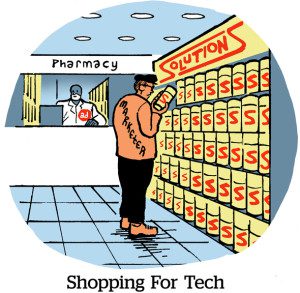
Incrementality is a retail media term for attribution. It’s the attempt to measure the actual contribution of advertising to a business’ bottom line. But in a market where everything old is new and everything new has been done a thousand times, it’s important to focus on other kinds of incremental gains.

TransUnion is proposing advertisers target what it calls the “movable middles,” or category buyers who are not loyal to a particular brand.
Some ecommerce pros were surprised recently to log in to their Google Merchant Center and see the “Feeds” tabs gone. The disappearance of the word “Feeds” is a sign Google is becoming less reliant on information provided by the brand or merchant to inform its marketing services.

The New York Times and Instacart are partnering for shoppable recipe videos.

Experian entered the third-party data onboarder market on Tuesday with a new product based on its Tapad acquisition.

Albertsons is taking that first step into non-endemic advertising next week via a partnership with Rokt to serve ads to people who have already purchased groceries.
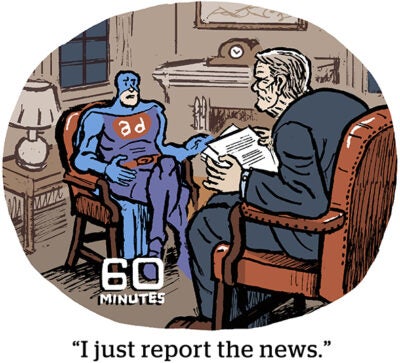
Marketecture has acquired AdTechGod – an anonymous ad tech Twitter poster turned one-man content studio – and the AdTech Forum, an information resource hosted by AdTechGod and Jeremy Bloom.

This week’s dispatch explores the new trend of false advertising class-action suits in the food and CPG industry and how the evolution of online, data-driven retail media could exacerbate the problem.

It’s been a tough couple of years for people working in media and marketing, including mass layoffs and uncertainty about the future of ad tech. But while these changes have been difficult for those involved, they’ve also created fertile territory for individual consultants with in-demand expertise.