
Publishers Now Have A Window Into How Buyers Score Their Data Practices
The Brand Safety Institute is expanding its publisher transparency initiative to include new media quality assessments, including data compliance.

The Brand Safety Institute is expanding its publisher transparency initiative to include new media quality assessments, including data compliance.

After adopting OpenPath, Freestar pubs now see 3x higher inventory fill rate from The Trade Desk demand and 27% higher programmatic revenue from these buyers.
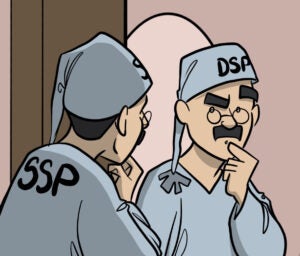
Warner Bros. Discovery officially launched OpenPath last week, with the goal of driving demand for its news sites’ display inventory. But for now, CTV is not part of the integration.

Why should browsers get to control publisher monetization? That’s the question the Tech Lab is aiming to answer with the release of an open-source framework for server-side ad management.
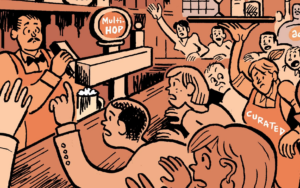
Just because curated PMPs and direct-to-DSP deals are trendy doesn’t mean they should be the focus of every publisher’s tech stack.

The Brand Safety Institute released a new tool that lets publishers check whether their site domains have been flagged as MFA by third-party verification vendors.

DDM is expanding its performance-focused contextual targeting solution, D/Cipher, to third-party inventory.

To attract advertisers, Bloomberg is pitching them on not just reach but contextual relevance. That rationale inspired the company’s latest contextual ad product, AdService, which it launched in January.

The New York Times and News Corp are case studies in how news publishers are evolving to be less reliant on ad revenue. Both publishers have also increasingly looked to new revenue streams for sustained growth.

A new storyline is emerging around curation, one in which publishers feel they’ve lost out to middlemen on yet another opportunity to monetize their audiences.
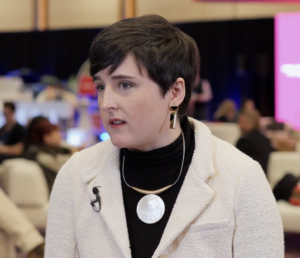
Helen Havlak, publisher at The Verge, chats with AdExchanger at CES about how publishers should pivot in response to the dropoff in traffic from Google search.

In response to shifting ad industry trends, A360 Media abandoned its made-for-advertising model four years ago and streamlined its site design to court programmatic demand.

Publishers expect the agencies will eliminate tech redundancies as they consolidate, which could compel pubs to shed redundant tech themselves. The merger could also entrench principal-based buying, which may not be a bad thing.

Dave Strauss, VP of revenue operations and strategy for North America, spoke with AdExchanger about The Guardian’s PMP priorities and how it’s tapping into other emerging revenue streams.

While tech companies are jumping on the curation bandwagon, publishers are left to navigate a new normal in programmatic advertising, where they often don’t have a say.

The New York Times is investing in generative AI for the same reason it’s been investing in first-party data for years. It wants to be self-sufficient.

During its earnings call on Thursday morning, Disney announced plans to bring ESPN+ content to Disney+ starting on December 4,

The big trend in Q3 earnings this year was streaming growth, and Paramount was no exception according to Friday’s earnings call.

News Corp’s chief exec blasted “the blatant biases of ad agencies and ad associations,” which are “boycotting certain media properties” due to “personal political prejudices.”

While WaPo recently lost 250,000 subscribers due to concerns over its journalistic independence, NYT added 260,000 subscriptions in Q3 thanks largely to the popularity of its non-news offerings.
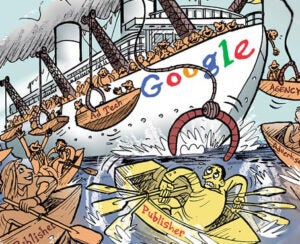
Retracing DPG Media’s journey to disentangle itself from the influence of Google’s ad platform and compete for direct ad budgets.
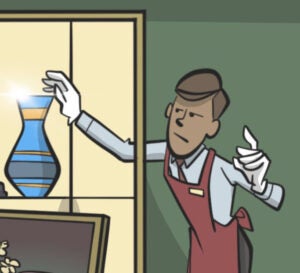
Freestar adopted a new approach to curation developed by Audigent that gives buyers a priority lane to publisher inventory with higher viewability and attention scores than most open-auction inventory.

Netflix’s ad business is scaling its audience and inventory faster than its ability to monetize it, according to a recent earnings call.

At Tuesday’s Prebid Summit, a panel of publisher and pub tech execs shared tips for how publishers can get the most out their flooring strategies.

But beyond making his parents proud, participating as a witness in a historical antitrust trial was gratifying for another reason, says Kevel CEO James Avery. “I never thought I’d have a chance to really say my piece like this.”
Prohaska Consulting debuted the ProNews Collective, a private marketplace of premium news publishers whose ad inventory will be exclusively available via Index Exchange.

Using lockrKeys, publishers can turn vendors on and off without a direct integration or the need to sign separate agreements with each of their data partners.
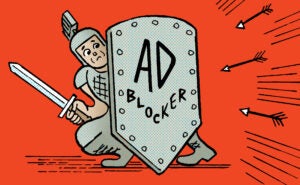
Originally, Ad-Shield Co-Founder and CEO Joon Yu intended to build software to block ads. Now, the business is focused on ad block recovery.
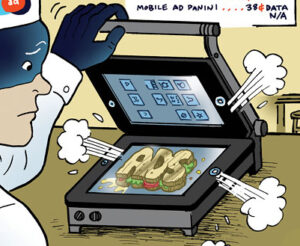
Outbrain is trying to shed its chumbox rep by bringing social media-style vertical video to mobile publishers on the open web.

Publishers are initiating more and more auctions – but doesn’t mean DSPs are listening to more bids, according to Chris Kane.